Remember Jewish Biskupice
Pronounciation: Bisk-coop-itz-uh
HISTORY OF JEWISH BISKUPICE
The first Jews most likely appeared in Biskupice after 1634. In 1685, there were 18 Christian and five Jewish houses in Biskupice. In 1787, there were 459 people living in Biskupice, out of which 173 were Jewish (37% of the whole population). In 1827, there were 520 people living in Biskupice, including 139 Jews (26%). By 1860, 812 people lived in the town, including 262 Jews (32%). The Jews int own were involved in tailoring as well as trading poultry, salt and cattle. In 1897, there were 543 Jews living in the town out of a total population of 1,476 (36.8%).
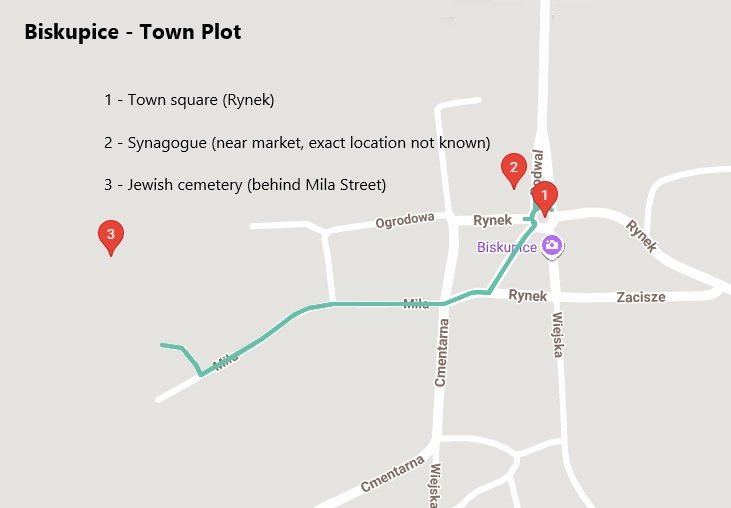
In the mid-1700s, a cemetery was established near Mila Street, about 300 meters from the market square. At one time, there was a road with a gate that led up to the cemetery, but it and the cemetery itself was destroyed in the Holocaust. The oldest preserved tombstone dates back to 1792. The matzevot are made of sandstone and have Hebrew inscriptions.
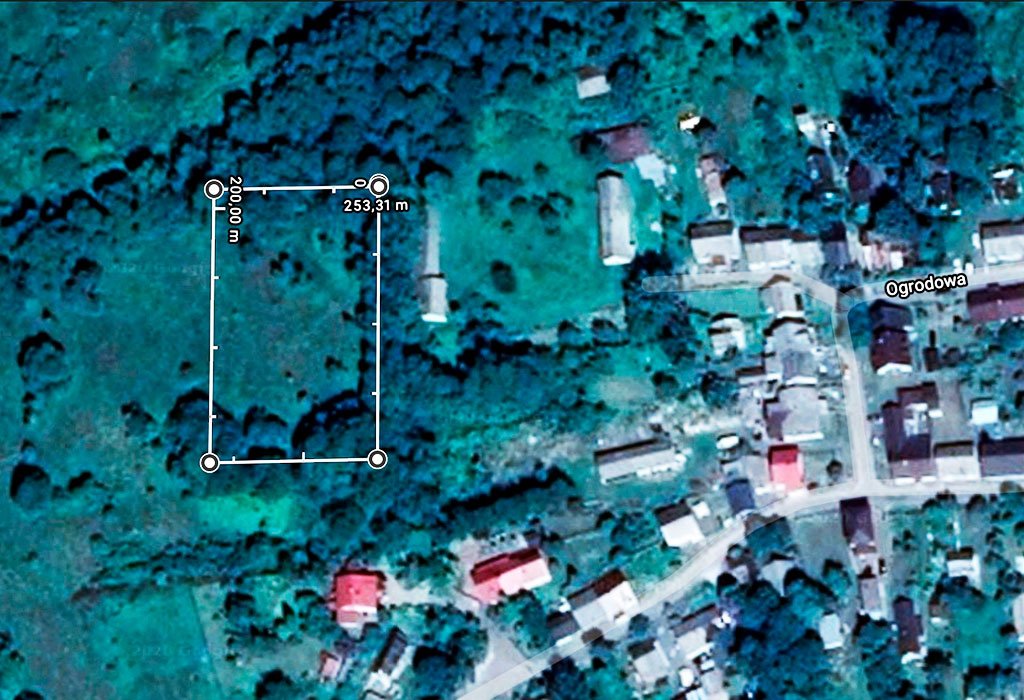
Near the old cemetery is the New Cemetery at 20 Miła Street. The path leading to the cemetery is between numbers 18-20 on Miła Street. After the war, remaining matzevot were gradually robbed by the local population. Nowadays, the area of the cemetery is used as a grazing land for animals. There is no fencing. A memorial was set up recently by the European Jewish Cemeteries Initiative.
Since the 1930s, both cemeteries shared a fence and were treated as one cemetery with the old and new parts. The old Jewish cemetery is situated on a hill (the hill is not natural — it was built for the needs of the cemetery) and is covered with tall grass. The new cemetery is situated on a flat area adjacent to the old cemetery and is covered with tall grass and young trees. There are 3 gravestones in the new cemetery and 17 in the old cemetery.
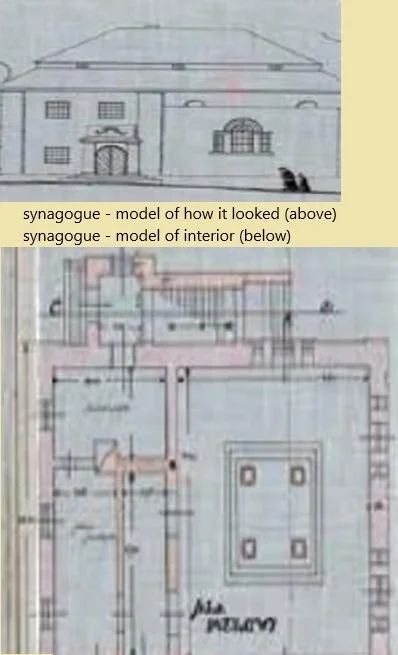
It is unknown when the first synagogue in Biskupice was built, but it is mentioned in 1860. The synagogue was wooden and it was situated near the marketplace. It burnt down in 1921. In 1926, it was replaced with a new brick synagogue. The Jews of Biskupice also had their own prayer house, mikvah, ritual slaughterhouse, community (kehilla) building and cemetery. The mikveh made of stone, brick, or concrete existed in Biskupice at 13 Podwal Street. It measured 60 square meters.
In 1930, the employees of the Jewish community in Biskupice included: Hersz Friedling, Rabbi; Jankiel Dawid Laks (residing in Puhaczew), Assistant Rabbi; Froim Hercug, Ritual Slaughterer; Josef Brikman, Assistant Ritual Slaughterer and Cantor; Szlama Feferkorn (residing in Puhaczew), Assistant Ritual Slaughterer; and Judesa Friedling, Secretary. In 1921, there were 885 people living in Biskupice, including 129 Jews (14% of the population).
The Jewish population before the Holocaust was between 250 and 600 residents. The community was extremely rural. Amogn the residents were: Moszek Epelbaum (cab driver), Israel Bron, Szmul Bursztyn (haberdashery), Solomon Diament, Samuel Erlichman, Israel Korn, Haim Fuks, Simcha Gonschorowski, Aron Kac (b: 1909, head of the Jewish orphanage), Jankel Laks, Mendel Lewenbaum, Abram Mandeltort (b. 1909, community soup kitchen employee), Mendel Raif, Haim Rubinstein, Abram Schnaiderman, Haim Schifman and Leib Tan.
NEARBY JEWISH COMMUNITIES
Jews also lived in the rural communities near Biskupice, including Bialka, Lysolaje, Poplawy and Siostrzytow.
BISKUPICE DURING THE HOLOCAUST
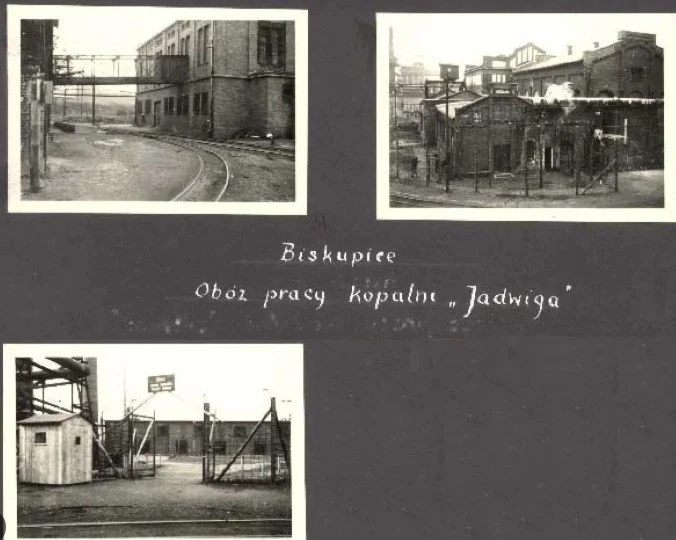
The ghetto in Biskupice operated between January of 1940 and March of 1942. In 1940, a Judenrat was established in Biskupice, consisted of 8 members. The leaders of it were Moszek Epelbaum (b. 1895), chairman, and Szmul Bursztyn (b. 1910) as his deputy. The ghetto population began with around 500 Jews.
Jews from western Poland and Szczecin were deported to Biskupice. Between December 1940 and March of 1941, a transport of around 270 Jewish individuals from Kraków was brought to the ghetto. The conditions in the ghetto were dire, with rampant starvation resulting in a high mortality rate. In 1941, the ghetto had a total of around 650 Jews. Due to hunger and atrocious living conditions, around 200 Jews had been killed before 1942.
Transports of prisoners to the Biskupice Ghetto also occurred from nearby Trawniki Concentration Camp.
Throughout the period of 1940 to 1942, Jews from Biskupice were sent to Majdanek Death Camp, although it is not clear on exactly what dates. In March 1942, a group of between 600 and 850 Jews from the Biskupice ghetto were sent to their immediate deaths at the Bełżec Extermination Camp. These were the last remaining Jews in the ghetto. The ghetto was liquidated in March of 1942, with no Jewish survivors from the community.
The known S.S. operatives and collaborators in Biskupice included Stefan Bec, Karl Ebeling (born 11.29.1905 in Renda), Jozef Franczak, Aleksander Kolodziejczyk, Wladyslaw Krysa, Ernst Kresse, Jozef Krol, Stanislaw Rzechot (Rzechota), Karl Streibel, and Leon Szulc. Ebeling was sentenced to three years imprisonment. Streibel (1903-1986) was also the last commander of the nearby Trawniki Concentration Camp. Streibel, as well as others, remained unpunished.
WHAT REMAINS
The Nazis destroyed the synagogue and residential buildings owned by Jews. Matzevot collected from vandalized cemeteries were used to pave roads in the town. The Jewish community of Biskupice was not revived after the war.
CONTACTS
U.S.: LublinJewish@gmail.com
A memorial recently established at the New Jewish cemetery in Biskupice.
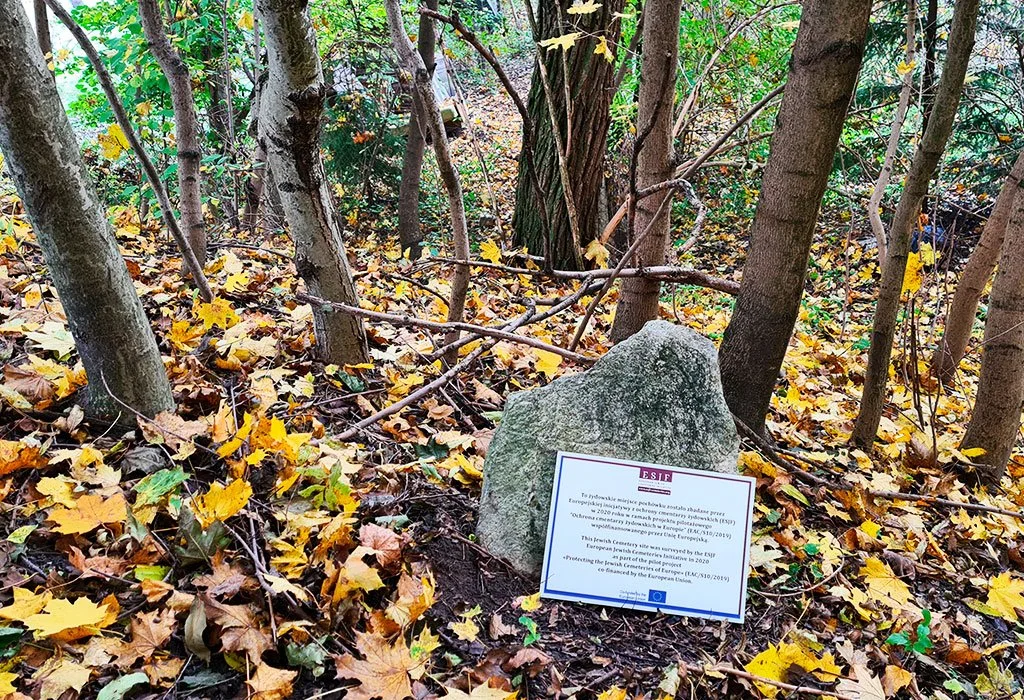
An indication of the location of the New Jewish cemetery in Biskupice. It has no fencing and few gravestones remain.