Remember Jewish Parczew
Pronunciation: Parch-ev
HISTORY OF JEWISH PARCZEW
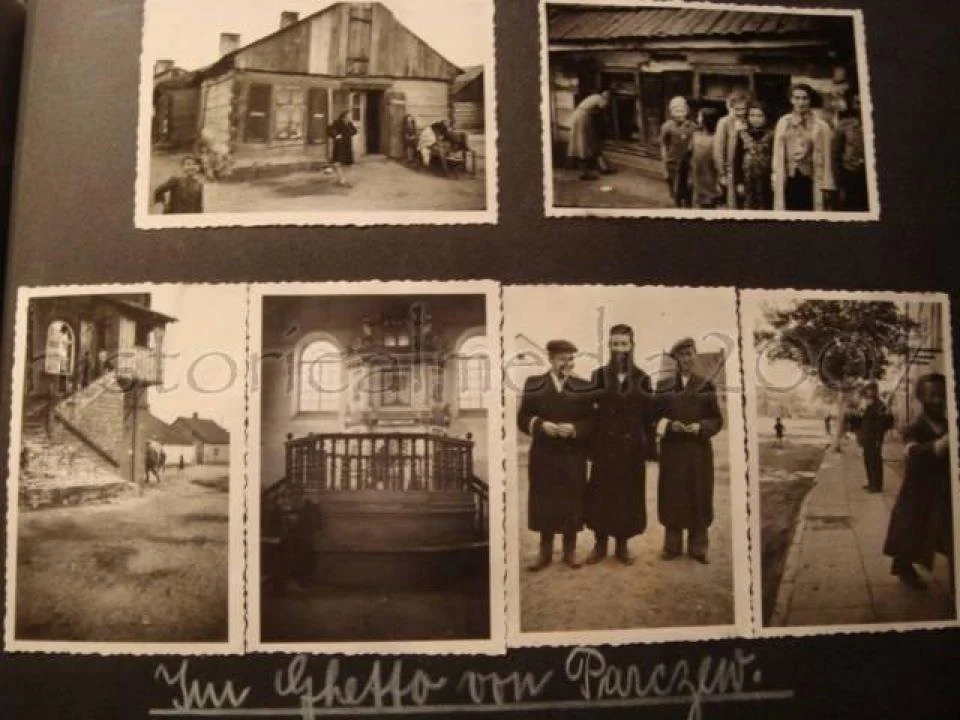
The first Jewish settlers appeared in the town as early as the 15th century. In 1564, King Sigismund Augustus granted Jews the official privilege to settle in Parczew. In 1566, the community had about 60 Jews. The Jewish community was organized in Parczew even before 1540. In 1565, there were 11 houses belonging to Jews in Parczew, including a schoolhouse, which indicates the existence of a synagogue at that time.
Parczew was located on an important trade route from Krakow to Vilnius. Hence, the influx of people Jews engaged in trade and crafts lived in the vicinity. Among the local craftsmen, shoemakers, bakers and potters dominated. Part of the community became involved in honey production and the salt trade.
The Jewish quarter in Parczew, together with the synagogue, prayer house and cemetery, was located outside the city walls, north of the market square. In 1674, there were 84 Jews among the tax-paying inhabitants of Parczew. The source of income for many families was crafts (shoemaking, bakery, pottery). In the late 1700s, 23 Jewish craftsmen lived in Parczew, including 9 bakers, 6 hatmakers, 6 tailors, 1 hairdresser and 1 boilermaker. At that time, there were about 20 Jewish shops in Parczew, located mainly on the market square or near it. In 1787, 679 people of the Jewish faith lived here, constituting 40% of the population of the center.
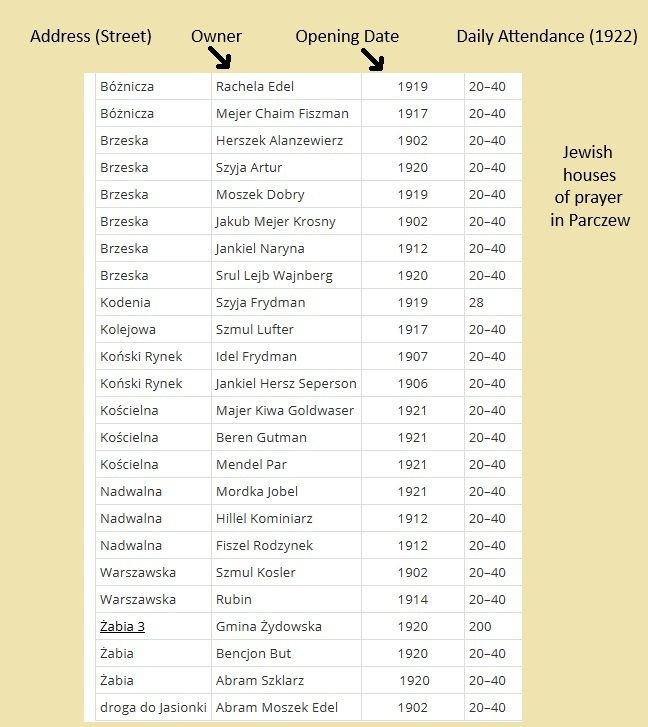
Rabbi Abraham Bornstein, a local tzaddik, was rabbi for a 20 year period. In the second half of the nineteenth century, the Hasidic movement gained significant influence in the city. In the 1920s, there were 27 Jewish houses of prayer, including two under the supervision of the commune, a mikveh, a house for the poor and a cemetery in Parczew. Around 1923, a new, wooden synagogue was built on Żabia Street.
After World War I, Jewish entrepreneurs included: the owner of the mill, N. Turkieltaub (Brzeska Street) and Fajgenbaum, who owned the soda water factory. Wholesale of kerosene, lubricants, coal, coke and cement was carried out by the brothers Sz. and N. Perelman (10 Warszawska Street). Among the smaller ones were: Elkenbaum – the owner of leather goods (4 Brzeska Street) and Frydman, who sold alcoholic products (18 Brzeska Street). Included among the craftsmen: saddler Eigienhorn (Rynek Street), hatmaker Lewin (Żydowska Street), tailor B. Befeler (Kościelna Street), Berek Żyto (1 Warszawska Street) and Berek Wajsman (12 Rynek Street).
In 1930, employees of the Jewish community included Rabbi L. Epsztejn, assistant rabbi I. Feferkorn and butchers Sz. Krelenbaum, Sz. Rozenbaum, L. Krelenbaum. The kashrut overseer was J. Kreda. The secretary was Ch. Jablonka and the janitor was J. Elkienbaum.
The sawmill in Pohulanka was founded in 1924 and leased by an engineer of Jewish origin, H.S. Sztolcman. Later, it was operated by Stanisław Bursztyn. During World War II, the sawmill was under German management; it burned down in 1944. A mill was located at 11 Listopada St. and constructed in 1916. The plant was owned by the company Nuty Turkieltaub, Moszko Berman, Noech Tabacznik and Hersz Jankiel Szinker under the name: “Industrial Company N. Turkieltaub and Company in Parczew”. It was under Nazi control during the Holocaust period. Another mill was located nearby and created in 1938. It was owned by the company of Josef Wasersztrum, Perec Wasersztrum, Lejba Pilicer, Chawa-Gitla Murawiec, Icek Bejman and Perla Frydman under the name: “Josef Wasersztrum Industrial Company and Company in Parczew”. The owners of the mill were murdered during the Holocaust.
There was a tar operation southeast of Parczew that existed since the 1840s. At that time, it was leased from the Parczew Forestry District by Moszko Ejdelman. Other owners of it included Chaim Freiberg Jojna Rudowski from Suchowola. There was also a water grain mill in Siemień, constructed in 1899 and leased by Mendel Klejman and Abram Hersz Rychter.
In the interwar period, the most important national political parties were active in the city. A strong Aguda was based primarily on numerous Hasidim in the city – supporters of the court in Gora Kalwaria (Ger). There was also a Bund, which found support in trade unions, promoting mainly Yiddish culture. There were also Zionists, including the youth groups Hashomer Hatzair and He-Chalutz, which from 1929 had their own hachsara, preparing those willing to go to Palestine. At the beginning of the 1930s, the Union of Zionist Revisionists was transformed into the New Zionist Organization. There were also several associations conducting social and educational activities. In the late 1920s, a branch of the Jewish Cultural and Educational Association “Tarbut” was organized, which was under the influence of Zionist groups. The association conducted educational activities for children, youth and adults, organized orphanages and schools (elementary and vocational), as well as evening courses and universities.
The Society for the Aid of the Sick functioned in the years 1918–1939 in Parczew. It received funds for its activities from the budget of the Jewish religious community. It probably took care of the shelter. Jews in Parczew were able to participate in the club Żar.
A branch of the “Tarbut” Association, founded in the second half of the 1920s and under the influence of Zionist organizations. Politically, the most popular causes included Aguda, supported by Hasidim and Orthodox, and the Bund, active among trade union members. Also active were Hashomer Hatzair and He-Khalutz, which had a kibbutz since 1929, preparing settlers to leave for Palestine.
In 1977 in Haifa, the Association of Former Inhabitants of Parczew in Israel (Heb. Irgun Jocej Parchew be-Israel) published a book of remembrance of the Jewish community of Parczew entitled Parczew - sefer zikaron le-kedoszej Parczew weha-seviwa.
NEARBY JEWISH COMMUNITIES
Jews lived in nearby communities, including Czemierniki (1,004 in 1921), Koczergi (unknown Jewish population), Kodeniec (125 Jews), Komarowska Podlaska (700 Jews), Ostrow Lubelski (1,994 Jews), Siemien (unknown Jewish population), Sosnowica (300 Jews), Stary Brus (4 Jews), Suchowola (unknown Jewish population), Uhnin (10 Jews), Wisznice (unknown Jewish population), Wohyn (1,025 Jews in 1921), Zaliszcze (10 Jews), and Zmiarka (unknown Jewish population). Additional information is available about:
- Sosnowica: Jews settled in the rural village of Sosnowica circa 1775. In 1778, 20 Jews lived in town. Szyja Moshe Szpektor owned a soda water and lemonade factory in town. There was a mikveh, cemetery and private beit ha-midrash in the home of Moshe Lerner. A synagogue may have existed in Sosnowica, but it is not clear where. The Jewish cemetery in Sosnowica was located 300 m. from the road from Sosnowica toward Urszulin. The area is wooded. It was destroyed during the Holocaust. No material trace of it exists.
During the Holocaust, a large German unit of about 120 men was stationed in Sosnowica, while another unit of eight stayed at the manor house in the village of Jedlanka. In January of 1941, Jews from Mlawa were relocated to the Sosnowica ghetto. In March of 1941, Jews from the city of Lublin were relocated there. In March of 1942, 200 Jews from Kielce were relocated to the Sosnowica ghetto. A camp for Russian POWs was built there in the summer of 1941. There was active resistance among the local Jewish population, and Jews were murdered by the Nazis in both September of 1939 and again in 1941. In April 1942, the Jewish children were deported out of Sosnowica but it is unclear if they were sent to Sobibor Death Camp or another locale. The remainder of the Sosnowica ghetto population was resettled in the Wlodawa Ghetto in November of 1942. Again, groups of Jews fled into the woods to try to join the Parczew partisan detachments. There are no survivors of those Jews deported to Wlodawa in November of 1942. They were subsequently murdered at the Sobibor gas chambers.
PARCZEW DURING THE HOLOCAUST
Just before the outbreak of World War II, about 5,000 Jews lived in Parczew, constituting nearly half of the town's population.
The Nazis occupied Parczew on October 5, 1939, starting their occupation with confiscations and requisitions. At the end of 1939, a Judenrat was established.
In November 1939, the first mass execution took place, and on February 18-20, 1940, at the local cemetery, the Wehrmacht and S.S. units shot 350 Jewish prisoners of war, walking in a “Death March” from Lublin to Biała Podlaska. The bodies of the murdered Jews were buried in a mass grave at the Jewish cemetery; the burial was carried out by a group appointed by the Judenrat, which was also shot.
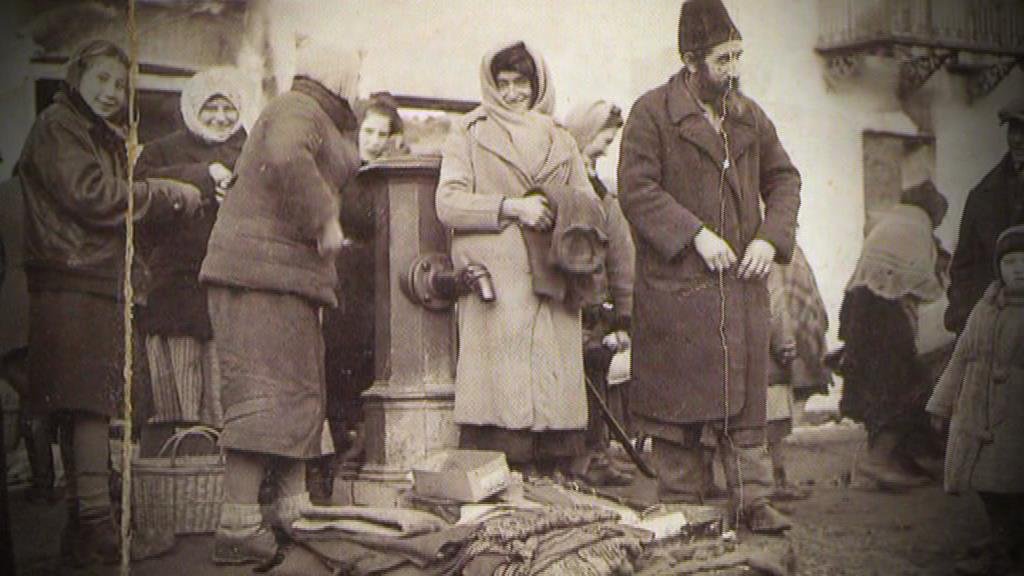
Numen Perlman recalls the living conditions within the ghetto as follows: “The Jews were crammed into a few narrow streets. There were constant new orders: the surrender of furniture and sewing machines, gold, hides, textiles, foodstuffs, and money. Bedding was confiscated; feathers were emptied out and packed up. Many refugees perished from starvation, leaving behind orphans—mostly children aged 6 to 12. Many were sick and malnourished. During the first deportation, 3,000 Jews were taken away. Following this deportation, a ghetto was established within a few of the worst streets. In the interim, there were smaller roundups and deportations.”
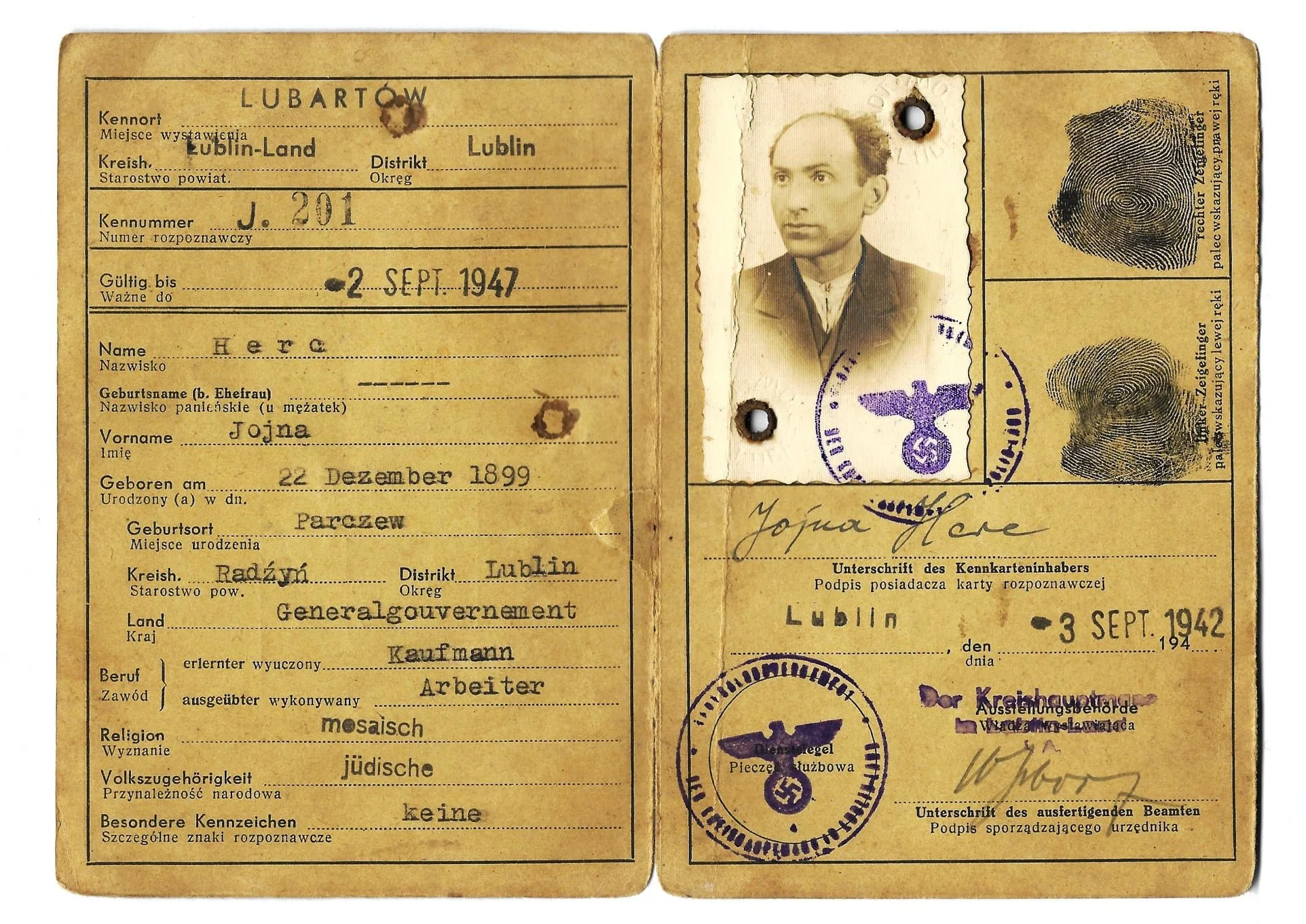
A list of Jews who lived in Parczew in 1941 is available online. In March 1941, a ghetto was created in the traditional Jewish quarter (e.g., within Szeroka and Bożnicza Streets), in which 6,200 Jews from Parczew, Wohyń, Kock, Czemierniki and other towns of the Radzyń district, as well as from Krakow and Lublin, were living.
On August 19, 1942, the S.S. and the gendarmerie murdered about 400 Jews in Parczew. The bodies were laid to rest in the Jewish cemetery. August 19–20, 1942 a group of 4,300 Jews were sent to the gas chambers at Treblinka death camp.
In 1942, a group of Jews from the Parczew ghetto was resettled to the nearby village of Romaszki, where the Germans organized a labor camp for Jews. Women and men worked there for about 10 hours a day, performing drainage works. There was also a labor camp at Antopol near Parczew.
The liquidation of the ghetto took place in October 1942. The Nazis shot about 100 Jews on the spot and another group of prisoners were sent to the Międzyrzec Podlaski Ghetto. On October 8, 1942, the S.S. and the gendarmerie forced a large group of around 3,000 Jews to kneel with their hands up for several hours. Around 300 Jews Parczew, Wohyń and Komarówka Podlaska were shot during this aktion. The next day, around 2,500 Jews were led to the railway station, from where they were transported to the extermination camp in Treblinka. This transport included Jews from Parczew, Czemierniki, Kock, Komarówka and Wohyń.
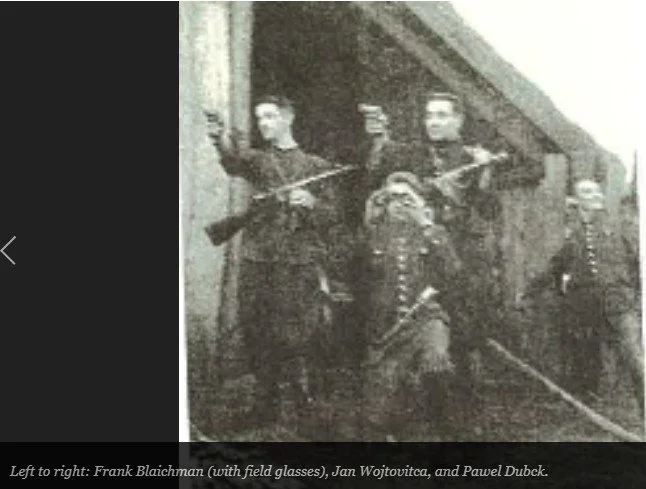
Hundreds of Jews from the ghetto managed to escape and hide in the nearby Parczew Forests, where a Jewish partisan unit was formed and fought under the command of Aleksander Skotnicki.
PARCZEW PARTISANS
The surrounding Parczew forests became a crucial base for Jewish partisan units, including those led by Shmuel “Mieczslaw” Gruber, Ephraim Blaichman and Chil Grynszpan — who fought against German forces. Learn more here.
WHAT REMAINS
After the liberation, a few Jewish Holocaust survivors remained in Parczew. On February 5, 1946, a pogrom took place, carried out by a partisan unit of the Freedom and Independence organization from the Włodawa region. After an unsuccessful attack on the police station, the partisans robbed Jewish shops, demolished houses and shot three Jewish residents of the city.
The Jewish cemetery (Parkowa St.) was completely destroyed by the Nazis; not one Jewish gravestone remains.
There was a wooden synagogue building near the town square, at Żabia Street. It was raised on a rectangular plan, after 1923. After the war, the building was reconstructed to become a kindergarten. At 3 Piwonia Street, there was a brick synagogue created in the 1870s. Its measures were 11.5 x 16.3 meters. There was also a Jewish ritual bath (mikvah) in Parczew at 1 Piwonia Street. It survived the war. After 1945, the building was reconstructed and repurposed as a cinema.
A list of abandoned properties in Parczew is available online. Of around 5,000 Jews before the war, around 200 Jews survived the Holocaust from Parczew. The Jewish community is no more.
CONTACTS:
U.S.: LublinJewish@gmail.com
Return to Lublin Index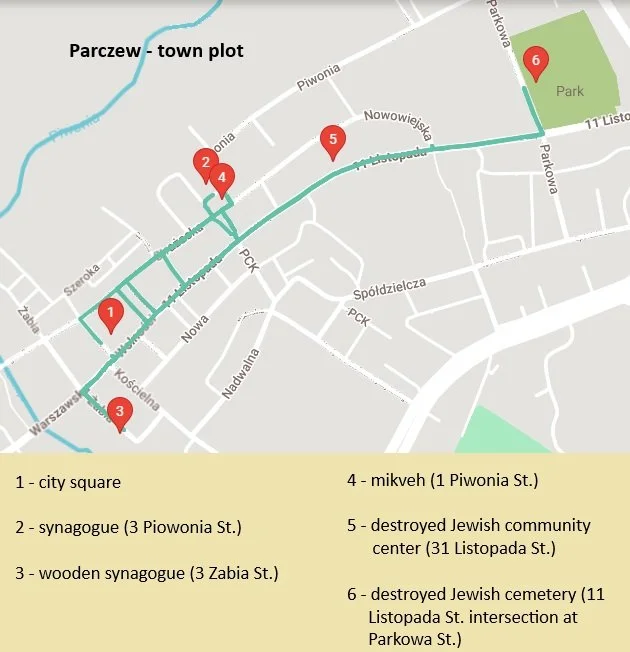
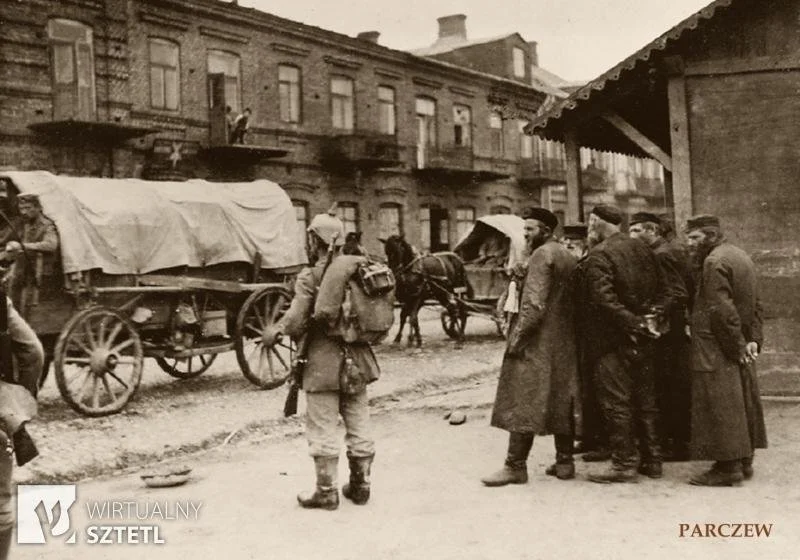
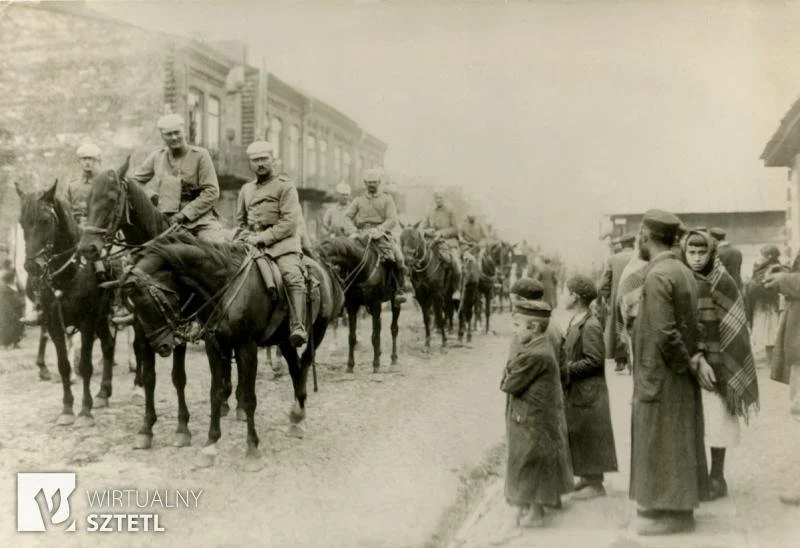
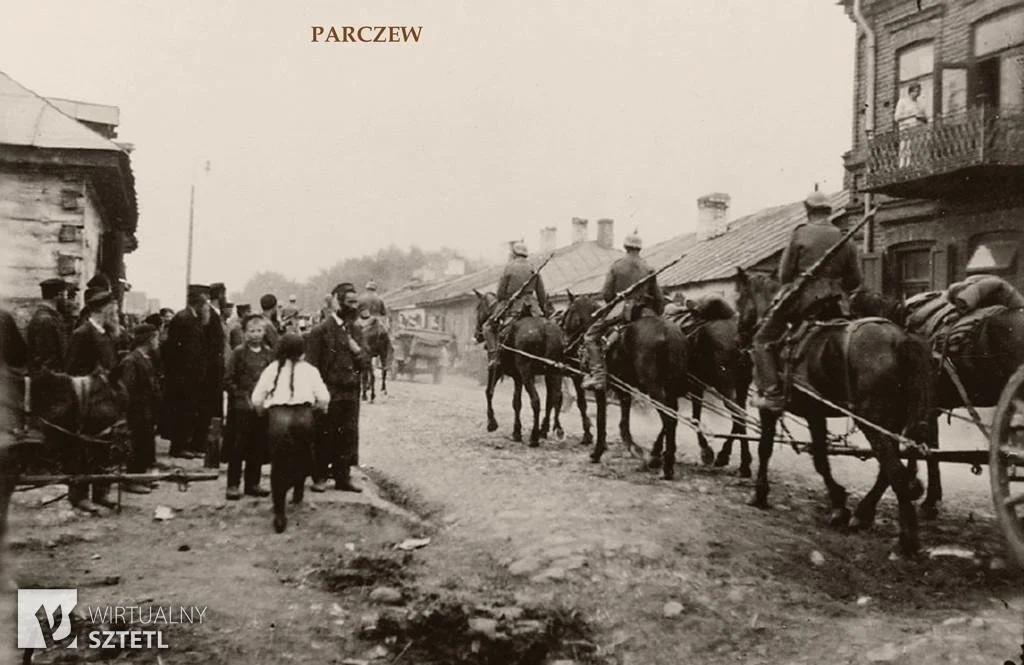
Three photos of when the Germans entered Parczew in 1915.
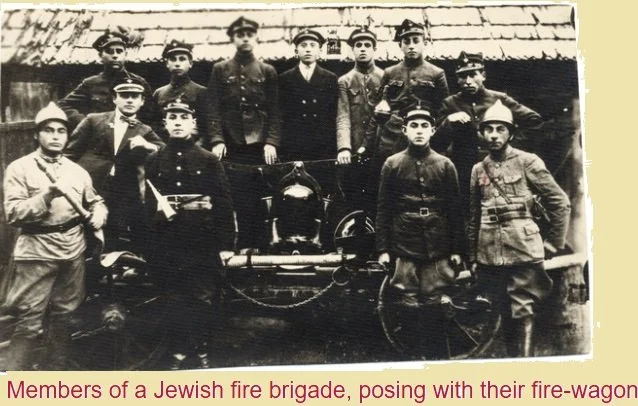
This photo is from the 1920s or 1930s in Parczew.
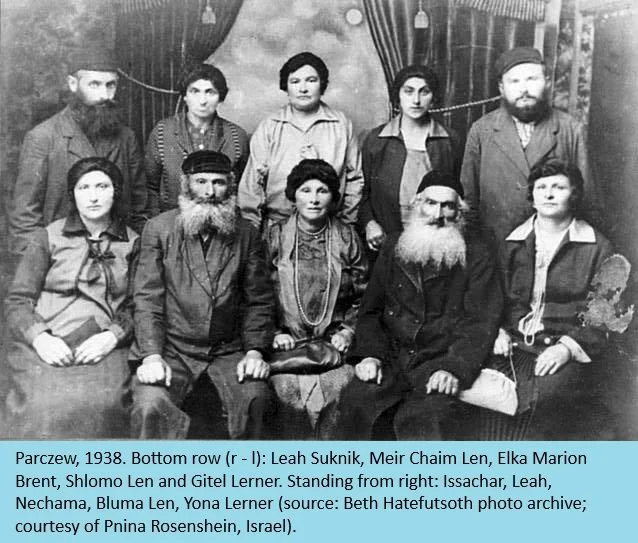
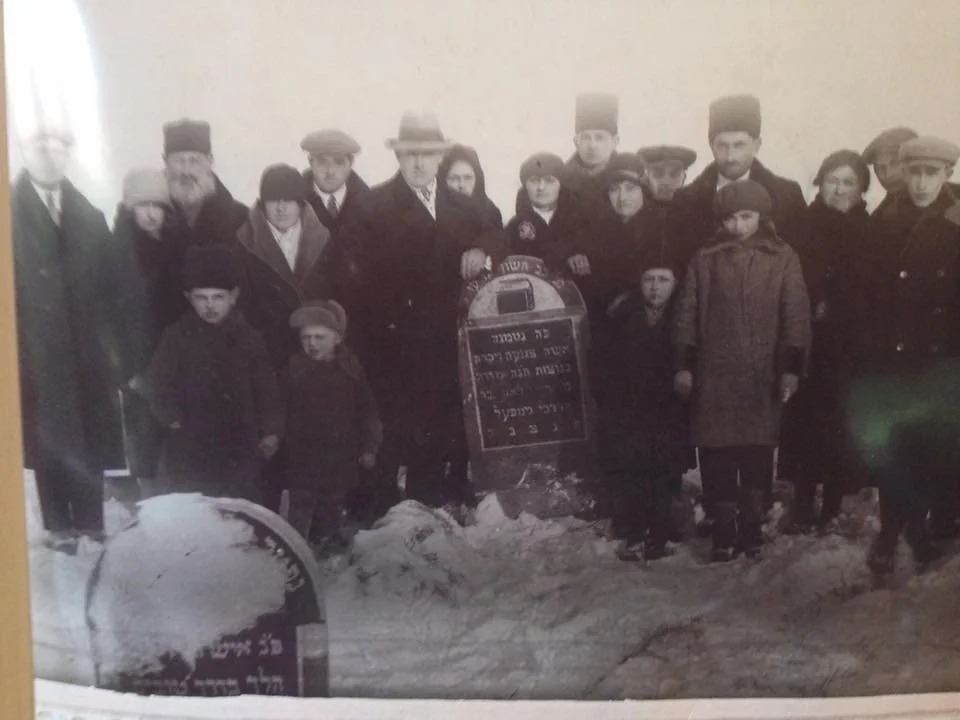
A Jewish family gathered at the destroyed Jewish cemetery in Parczew.
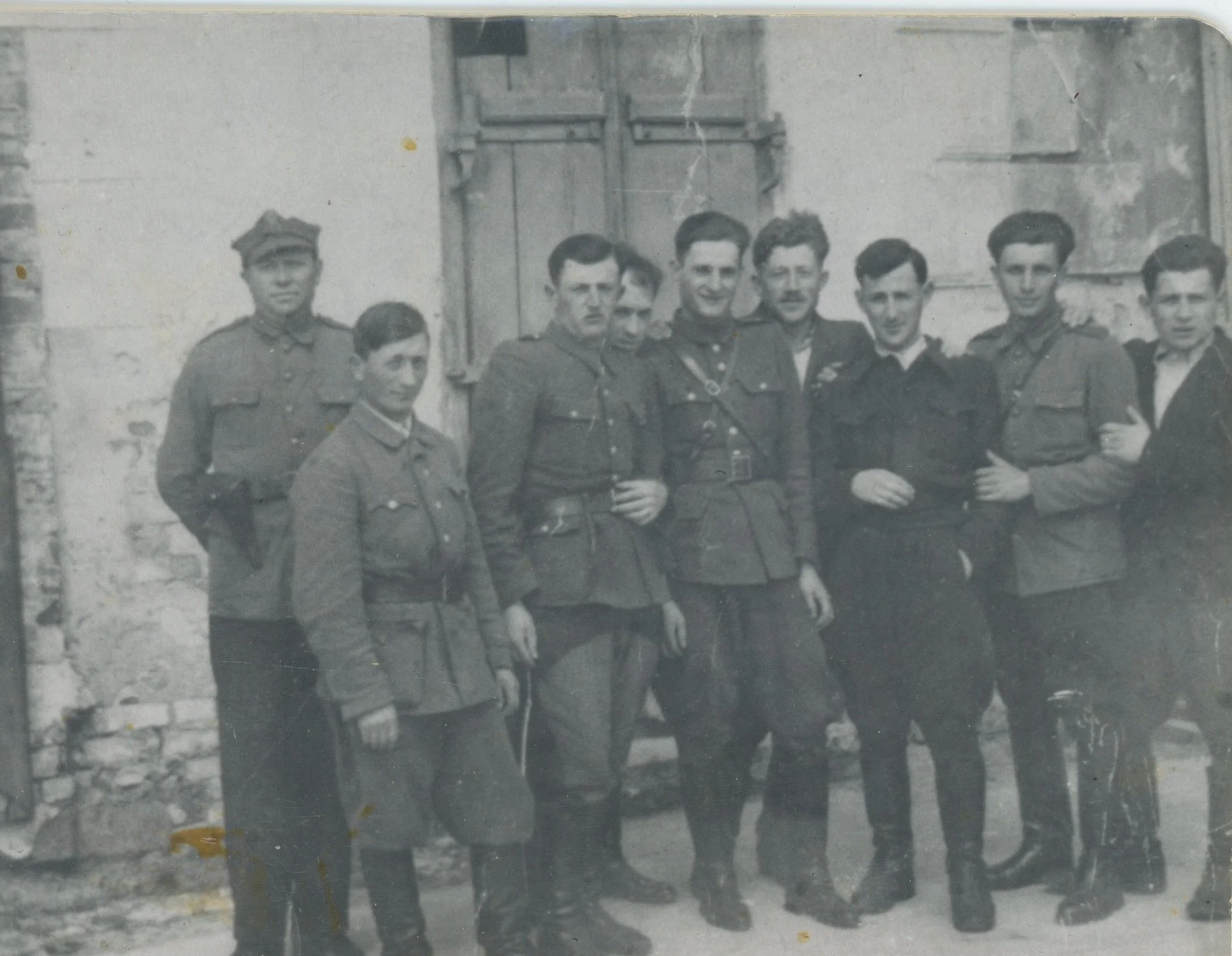
This photo includes armed Jewish partisans in the Parczew area who resisted the Nazis during the Holocaust period, probably 1942 or 1943.
One of the water mills in town.
Partisans from the Parczew/Wlodawa area (left to right): Moshe Peszales,
Motel Barbanel,
Simcha Barbanel,
Chanina Barbanel, unknown, Geniek (Gdalia) Barbanel, unknown, unknown.
Destroyed synagogue, 3 Piwonia Street
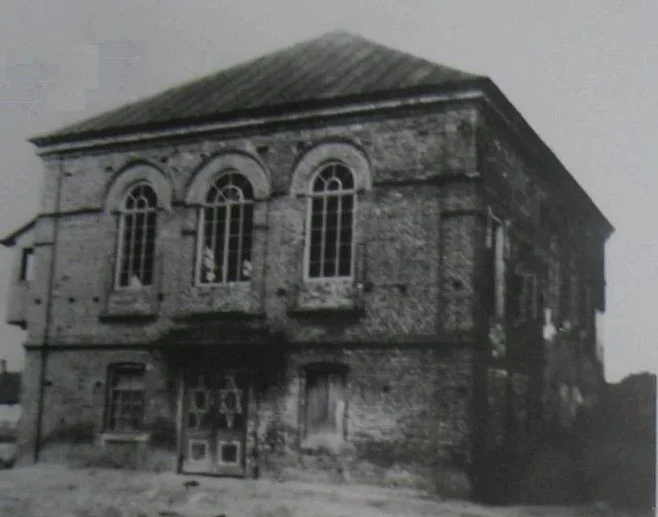
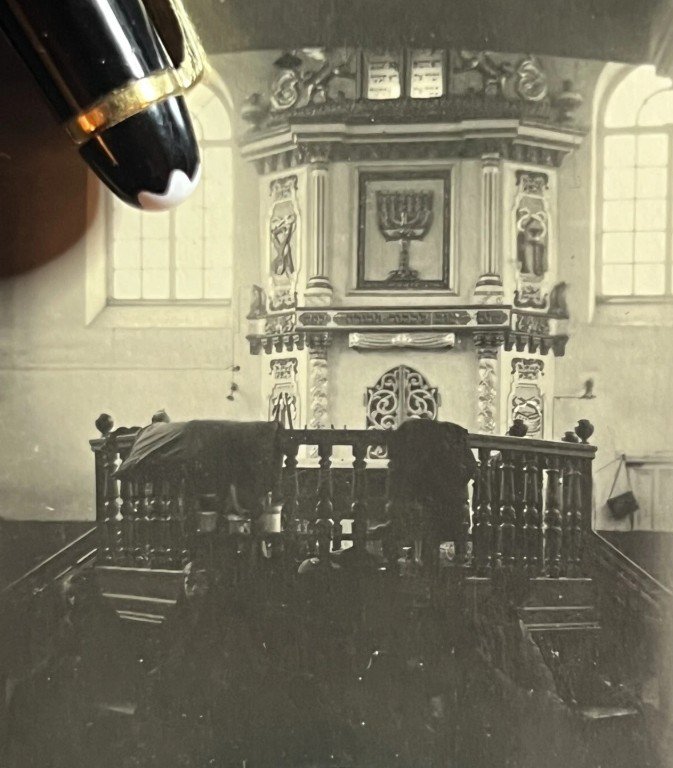
The bimah in the Parczew synagogue.