Remember Jewish Świerze
Pronunciation: Sveer-zja
HISTORY OF SWIERZE
Świerże is a village in southeast Poland on the Bug River with a current population of around 1,000.
The first Jews settled in Swierze between 1537 and 1550. In 1565, the town population was 210, including 14 Jewish families. The shops and inns in the town were mostly owned and operated by the Jewish residents. In 1769 there were 120 Jews.
In the 19th century, Swierze’s small industry consisted of water mills, brickyards, windmills, wood tar distilleries, and alcohol distilleries. In 1822 it lost its city charter. In 1852, a cholera epidemic stroke the town. In the 1850s, there were nine grocery shops, five meat shops, five textile shops, four shops with household equipment, a butcher shop, a drug store, and three catering facilities in town. There was a Jewish ritual slaughterhouse and a mikveh in town.
World War I had a severe impact on the town as well, with many of its buildings destroyed during that war. In the period preceding World War II, Swierze was the second richest municipality in Chelm county, following Wojslawice. Jews dominated the local trade. From 1910 to 1918, Josef Mordko Arbuz was the town rabbi.
In 1900 there were 480 people and 315 Jews. In 1918, Swierze was inhabited by 2,180 people, including 290 Jews (13%). In 1939, the Jewish population had increased to around 800 people.
NEARBY JEWISH COMMUNITIES
Jews also lived in nearby towns Czerniejow, Kamien, Ruda Huta, Zaliszcze, and even in smaller communities such as Bukowo Wielkie, Korczyn, Lukowek, Plawanice, Pogranicze and Skordjow. Other nearby Jewish communities included:
• Dorohusk: Dorohusk lies on the banks of the Bug River about 20 km (12 miles) from Skryhiczyn. Dorohusk was a lively town with a rich Jewish life. Dorohusk had 1,075 inhabitants at the start of WWII, including 430 Jews. Jews settled in Dorohusk in the 1700s. In 1769, Berek son of Josef, a resident of Dorohusk, received the right to a six-year lease of the inn and mill. He was also involved in the construction of river ships (komięg).During the interwar period, in 1929, the following people ran grocery stores in Dorohusk: E. Rosenberg, M. Rosenberg, M. Wajngarten, C. Werber and L. Zygielman. Moreover, B. Alter and Sz. Zylbersztein owned general stores. In addition, Abram Alter and Ch. Hercman had teashops. At Zwyciestwa Street, there was a butcher house also owned by Abram Alter. Dorohusk's Jews largely lived at the northern end of Nowa Wieś Street. Jews in town were involved in the cattle and timber trade, small craft workshops and stores. An oil mill owned by a Jewish community member operated at the intersection of Zwycięstwa and Ogrodowa Streets. Mordko Rozenberg's private prayer house, founded in 1918, also operated in Dorohusk. There was also a kosher slaughterhouse. During the Holocaust, the Nazis established a labor camp in Dorohusk. The Dorohusk Labor Camp was established in the spring of 1940 and operated in two wooden barracks that remained from a former Austrian military hospital. Around 300 Jews, mostly from Warsaw, were held there and guarded by six members of the Selbstchutz. They performed drainage works on marshy meadows located 2 km. from the camp. The camp ceased to exist before 1943 and it is unknown what happened to its prisoners, although it is very likely that they were murdered at the Sobibor Death Camp. The Dorohucza Concentration Camp was located north and west of Chelm and is a different location than Dorohusk. During the German occupation, all Jewish inhabitants of this village were murdered.
• Wola Uhruska: Another nearby shtetl, Wola Uhruska, had a house of prayer run by Srul Djament. It was founded in 1902 and had approximately 15 attendees in 1922. It was only open on Saturdays and holidays. See also: Remember Jewish Wola Uhruska.
THE HOLOCAUST IN SWIERZE
In early 1940, the Nazis established a ghetto in Swierze and Jewish residents from Swierze and nearby locations were forced into it. A Judenrat was established and led by Moshe Perelstein. In December of 1940, about 80 Jews from Krakow were deported to this location. There were also Jews from other locations that were dispatched to the Swierze ghetto, but we are unsure of which locations those were. On February 16, 1941, there were 476 Jews in the Świerże Ghetto. Eventually, the total number of Jews in the ghetto was around 1,000.
In October, 1942, the Jews from Swierze were forced to walk to the Sobibor Death Camp. The distance was 40 km. The ghetto was liquidated on Oct. 31, 1942. The Jews of Swierze were all murdered at Sobibor Death Camp.
WHAT REMAINS
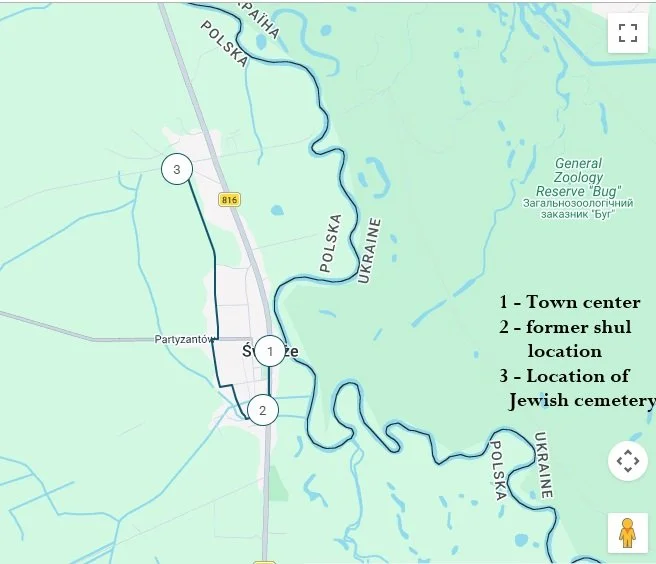
The synagogue in Swierze was located in the southern part of the marketplace, on the former Chełmska Street (now called John Paul II Street). It was built on a rectangular plan measuring 16.10 m by 44.05 m. A latrine was also erected in the southeastern corner of the plot where the synagogue stood. The synagogue’s facade faced the market square. The front elevation was asymmetrical, featuring four windows and a single-leaf door; a single window was positioned closer to the eastern wall, followed by the door, and then three additional windows. The building was topped with a mansard roof covered in fire-resistant material. The interior comprised six rooms: two vestibules, a rabbi’s room, a small schoolroom, and separate prayer halls for women and men. The bimah was situated in the center of the men's prayer hall. It was destroyed by the Nazis during the Holocaust. No material evidence of the synagogue was preserved.
The Jewish community also had a mikveh near the slaughterhouse in the town, but it was also destroyed.
There was an old Jewish cemetery as well as a new Jewish cemetery. (1) Old: In the manor park at Jana Pawła II Street, 250 m. east of the road to Wlodawa, a cemetery was established in the mid to late 1700s. It covered about 0.3 hectares. The land plot is located at Świerże land district no. 1023/2, near a pond leading to the former manor house. there are no remains of tombstones or graves visible in the old cemetery. No matzevot are visible and there is no cemetery marking. (2) New: The Jewish cemetery in Swierze was set up in the 19th century, in the park near the palace, at the corner of Piaskowska and Mlynska Streets. This is in the northern part of the village of Swierze, in an area known as “Piaski”. The site is unfenced and unmarked. It covers an area of approximately 0.36 hectares, and twelve fragments of matzevot (tombstones) have survived. The Nazis desecrated the cemetery during the Holocaust. There is no memorial to the victims of the Holocaust in the town.
Please review the site content below. Zachor - We Remember.
-----------------------------------------------------------------------------------------------------------
[Wikipedia - Swierze] [Yizkor Book for Neighboring Town, Dorohusk]
[Resources for Finding Your Jewish Family in the Lublin District]
[List of Needy Jews in Swierze from 4/12/1940 - JDC]
[List of Jews in Need of Flour in Swierze from 12/6/1940 - JDC]
[List of Needy Jews Receiving American Gifts in Swierze from 7/8/1940 - JDC]
-----------------------------------------------------------------------------------------------------------
Join the Swierze group on Facebook!
Swierze LINKS:
- Article: Expelled Radom and Cracow Jews Resettled in Provinces (1941)
Families of Swierze:
- Fuks family
- Sztatman family
Rabbis of Swierze:
- Josef Mordko Arbuz, early 20th century
Holocaust Survivors of Swierze:
- Rachel Katz Zeitlin
- Moniek Listhaus
- Chana Leah Orenstein
Notable People of Swierze:
- Max Leon, American broadcaster
Genealogy:
- Sobibor Labor Camp (with photos)
- Sobibor Area Labor Camps
- Jewish Records Indexing Poland - Świerże
- Jewish Vital Records in the Polish State Archives
Remember Your Family:
- Central Judaica Database - Museum of History of Polish Jews
- Grandchildren of Holocaust Survivors on Facebook
- Guide to the YIVO Archives
- Holocaust News/Events from Generations of the Shoah Int'l
- Holocaust Survivors and Victims Database
- JewishGen Family Finder
- JewishGen Holocaust Database
- JRI-Poland: Search for Your Family
- Museum of History of Polish Jews Introduction
- Yad Vashem: Search for Your Family
- Yad Vashem: Submit Names of Your Family Members
- Yad Vashem Requests Photos of Shoah Survivors and Families
CONTACTS
U.S.: LublinJewish@gmail.com
Return to Lublin Index
List of Jews in Swierze receiving American gifts, 1940
1. Ajzyk Diamant
2. Matys Sztern
3. Alter Rachman
4. Rywka Satkowier
5. Mnicha Oksenfeld
6. Rywka Szlajfer
7. Sura Bayer or Bajcz
8. Tauba Kreplase?
9. Mordko Chasenwald
10. Jankiel Berger
11. Lehman Lipszyc
12. Aron Winograd
13. Mala Terner
14. Hemia? Lajder
15. Moszko Krydman?
16. Jankiel Lederman
17. Chawa Blumenblat
18. Jankiel Kam?
19. Mojsen Perelsztajn
20. Szymon Waserman
21. Lejb Waserman
22. Szyja Sztatman
23. Estela Lasman?
24. Bunis? Segal
25. Szola Fridland
26. Hejnach Kae?
27. Rywam? Symkiel?
28. Hersh Lederman
29. Symcha Winograd
30. Hersh Bajcz
31. Srul Zynger
32. Abram Milekman
33. Etla Orensztajn
34. Srul Czesner
35. Abram Cymring
36. Gerszon? Kornblit
37. Icok Laser
38. Hejnoch Goldsztajn
39. Fejga Blum
40. Pines Orensztajn
source: JDC Archives
List of Poor Jews from Wola Uhruska, 1940-1941
1. Beniamin Porcelan
2. Szmuel Libhaber
3. Icek Alt
4. Abram Czesny
5. Icek Game (sp?)
6. Motel Gil
7. David Dzieciol
8. Motel Biterman
9. Matys Mer
10. Borys Gierszkowicz
11. Icek Teper
12. Tauba Mer (or Alter?)
13. Srul Kareman
14. Froim Rajf
15. Herszko Zysblat
16. Icek Baum
17. Josek Baum
18. Berek Dzieciol
19. Estera Besser
20. Jankiel Diament
21. Litman Gutmacher
22. Moshe Dzieciol
23. Jankiel Dzieciol
24. Szmuel Tepper
25. Markus Wenecki
26. Ryfka Fuks
27. P. Diament
28. Jankiel
29. Lejba Koziol
30. Doba Diament
31. Zlata Goldstajn
32. Szandla Knudel (Nudel)
Source: Yad Vashem


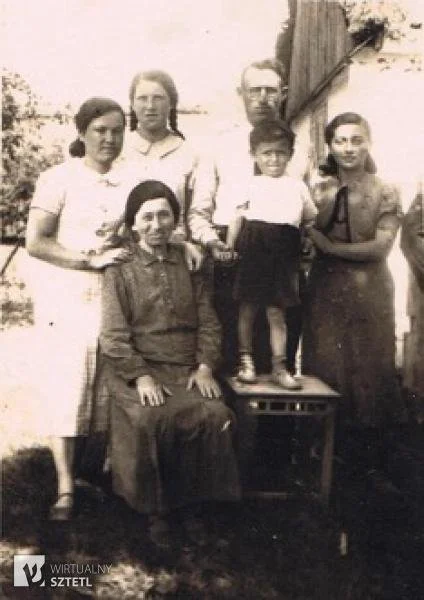
A Jewish family from Swierze.
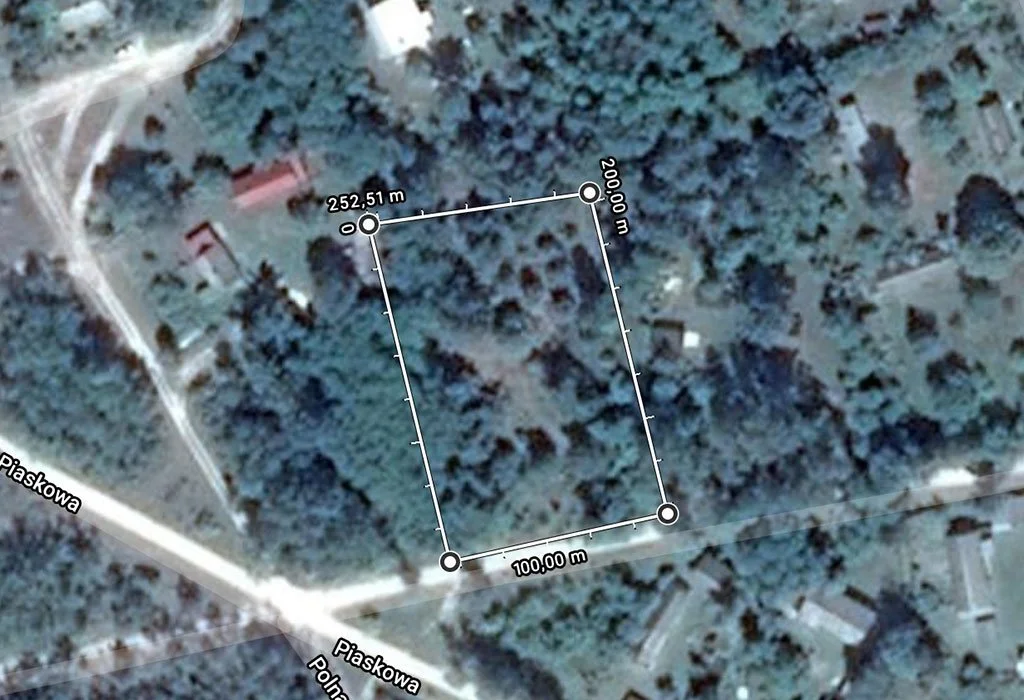
Location of the new Jewish cemetery, near where Piaskowa and Polna streets intersect with Mlynska Street.
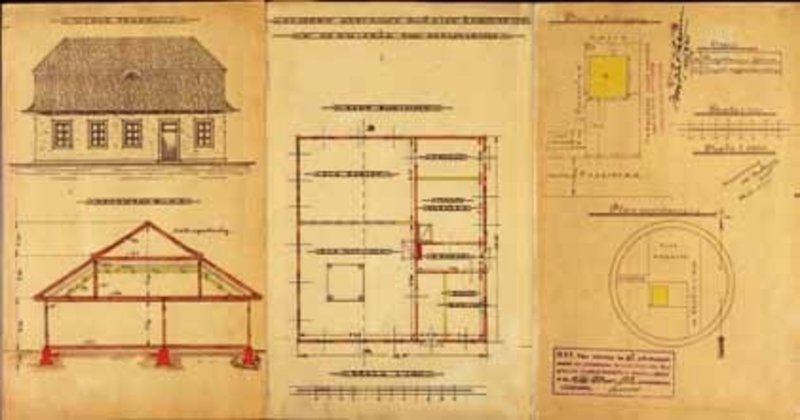
A model of how the destroyed synagogue looked.