Remember Jewish Zaklikow (Lublin District)
Pronunciation: Zack-lee-kov
HISTORY OF JEWISH ZAKLIKOW
Jews settled in Zaklików in the second half of the 16th century. They were mentioned for the first time in 1578.
More than 100 years later, in 1676, 19 Jews lived there. In 1748, 20 Jewish families lived in the town. In 1765, 480 Jews lived in the local kehilla encompassing Radomyśl nad Sanem and 21 nearby villages, including 203 Jews in Zaklików proper. They had 34 houses in the town in which 51 families lived. In 1789, 41 houses in Zaklików belonged to Jews, and 235 Jews lived there at the time, constituting 31.2% of all residents. A certain Elijahu from Zaklików, who is said to have been one of the disciples of the Baal Shem Tov (the founder of Hasidism) lived in town. In 1790, the kehilla numbered only 192 members, including 130 in Zaklikow proper.
In the late 19th century, the Hasidic community was headed by Tzadik Jehud Lejb, a disciple of Elimelech of Leżajsk (Lizhensk) and the Seer of Lublin. In the following periods, the Jewish population of Zaklików started to diminish for unknown reasons.
NEARBY JEWISH COMMUNITIES
Nearby Jewish communities included the following:
- Antionow: The first Jewish family lived in Antoniów as early as 1747, and by the end of the 18th century, there were four Jews. In 1868, Antoniów had 50 houses and 202 inhabitants, including 90 Jews. In the 1890s, they owned, among other things, the local and surrounding farms; these were eventually acquired by Dr. Maurycy Mojżesz Kanarek. In 1900, the village had 933 inhabitants, including 90 Jews, while in 1921, only 77 Jews out of a total population of 918. Local Jews belonged to the religious community in Zaklików. They had a house of prayer and a mikveh in Antoniów. In the spring of 1941, German gendarmes from Zaklików shot 23 local Jews, and in October 1942, another eight. The rest were sent to Zaklików and shared the fate of the local victims of the Holocaust.
- Potok: The combined Jewish population of Potok Stany and Potok Wielki was approximately 60 Jews — 20 Jewish families. They lived in the rural Potok village near Tarnogrod, among 2,000 Poles and over 1,000 Ukrainians. Testimony is available about the village during the Holocaust period. According to the testimony, a group of around 30 Jews were “caught, packed in a wagon that went toward the forest, in the direction of Jedlinki, and in a field near the forest they were shot”.
- Radomyśl nad Sanem: South and west of Zaklikow was Radomyśl nad Sanem. In 1765, nine Jewish families totaling 36 individuals lived in the village. In 1835, there were 216 Jews in town. Out of 1,800 residents in 1911, 582 of them were Jewish. In town, there was an old Jewish cemetery as well as a new Jewish cemetery. The synagogue existed since the late 1700s and was reconstructed in 1892. They also had a mikveh, kosher slaughterhouse, cheder and flat for a rabbi, cantor and schoolmaster. In October of 1942, the Jewish population in the ghetto, which included Jews from Tarnobrzeg and nearby communities, were sent to Belzec Death Camp. Both cemeteries and the synagogue were destroyed. Half a dozen Jews from the village managed to survive in hiding.
- Rozwadow: By 1727, the town had a synagogue. From the mid-19th century, the community was influenced by the tzaddik Naphtali Hurowic of Ropczyce. In 1880, 1,628 Jews lived there, constituting 76% of the population. In 1910, the population was 2,372 Jews (70%). Jews were engaged in trade (including timber), carpentry, tailoring and manufacturing. During World War II, the community was destroyed, with many killed in local forests or deported to death camps like Bełżec. A labor camp in Rozwadów held over 1,200 prisoners in late 1942, where over 1,000 Jews died. See also: Rozwadow Yizkor Book.
- Trzydnik: Two Jews from the community survived the war, Leibel Pintel and Tuvia Wurman. See: Holocaust testimony. Two other Jews from this shtetl, Mordechai Bursztyn and Avraham Bursztyn, were members of the Bron partisan group.
- Weglinek: There were likely Jews living in Weglinek but it is not clear what the population was.
ZAKLIKOW DURING THE HOLOCAUST
After the occupation of Zaklików in the autumn of 1939, the Nazis established a ghetto and appointed a Judenrat. Jewish freedom of movement was severely restricted: no Jew could go out after sunset or leave the town limits; and armbands bearing the Star of David had to be worn at all times, and anything of value was confiscated by the Nazis. The Judenrat was perceived by many in the community to be actively collaborating with the Nazi regime, but one of its members also worked for an underground resistance organization: Zalman Kuperschmidt exploited his position in the Judenrat to issue forged identity papers, which helped a number of Jews from Zaklików escape.
In March 1941, 400 refugees from other places in Distrikt Lublin arrived in Zaklików. On November 14, 1941, members of the Sonderdienst (ethnic German police) escorted a group of 584 Jews that came from Kraków to Zaklików and Radomyśl nad Sanem. In 1942, there were about 3,000 Jews in the Zaklikow ghetto.
In Lysiakow, a labor camp was established and operated by S.S. man Müller and his deputy Klau. Nearly 700 Jews passed through Lysiakow in its existence, between March 15, 1941 and April 30, 1943. At least 160 Jews were consistently at the camp performing slave labor in land/forestry works, river management and drainage ditches. The Jews who remained at the camp in April of 1943 were taken to an unknown location and murdered.
On November 2, 1942, nearly 1,500 Jews were sent to Zaklików Ghetto from near Kraśnik. About 150 young and healthy Jews were selected and sent to the labor camp of Budzyń Labor Camp near Kraśnik, and around 20 of these individuals survived the duration of the war. It is likely that Jews from nearby Modliborzyce, where according to Jewish Social Self-Help (JSS) records no ghetto was established, were deported to Bełżec Death Camp via the Zaklików railway station in October of 1942.
On October 15, 1942, some of the Jews were shot on the spot. On November 3, 1942, the Jewish community was forced into the synagogue before being deported to the Belzec extermination camp, where they were murdered upon arrival. This included a transport of 2,000 Jews, all of whom were murdered.
In November 1942, the gendarmerie killed M. Magier, a Jew who had been able to hide until that point. His remains were buried in the forest close to the town.
Nazis involved in the murders of Jews in Zaklikow included Friedrich Ahrens, Ernst Bandel, Gottfried Bauer, Wilhelm Bekier (Becker), Georg Bruch, Josef Daullary, Reinhold Deitz, Ferdinand Eckhardt, Friedrich Ehle, Stefan Engel, Franz Feidl, Paul Ficker, Gustav Folkle, Georg Guck, Wilhelm Heimrich, Xaver Heining, Gustav Heinrich, Karol Herzenberg, Konrad Heisse or Konrad Heise, Stefan Janus, Emil Jeske, Adolf Lange, Walter Lassotta, Emil Lorenz, Friedrich Kaiser, Alfred Kleber, Kreishauptmann Kurt Lenk, Franciszek Moszczynski (commander of the German police), unknown Majke (Mayke), Iwan Naboka, Zugwachtmeister Norden, Adolf Parfil, Willi Prahl, unknown Schwenk, Oberwachtmeister Schwarz, Paul Seifert, August Seitz, Karl Semper, Otto Siegel, Nikolai Suslow, Jakob Wergendin, Karl Witte Oberwachmeister Wroblewski and Hauptwachtmeister Zimmermann.
S.S. stationed at Radomysl am San near Zaklikow included Ludwig Wachter (born 8.20.1899 in Lintlhammer, Waldmünchen District).
WHAT REMAINS
The Jewish cemetery is located on the south side of Leśna Street, after the intersection of Świętej Anny and Leśna streets. A Holocaust memorial was erected (and is located at the top of the hill) and 40 grave markers exist spanning from 1817 to 1936. There is a concrete fence surrounding the cemetery.
Zachor - We Remember. Please review the site content below.
-----------------------------------------------------------------------------------
[Zaklikow Yizkor Book - Translation]
[I Was There by Joshua Laks]
-----------------------------------------------------------------------------------
CONTACTS
U.S.: LublinJewish@gmail.com
Return to Lublin Index
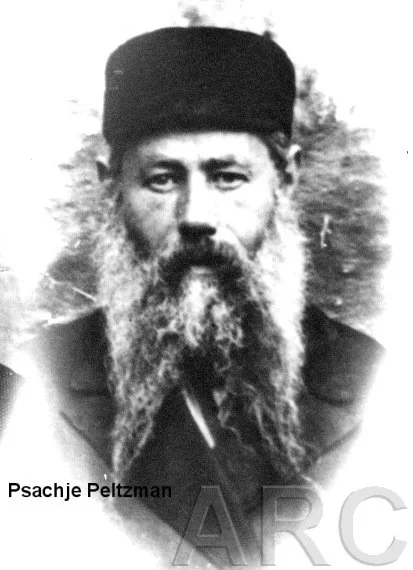
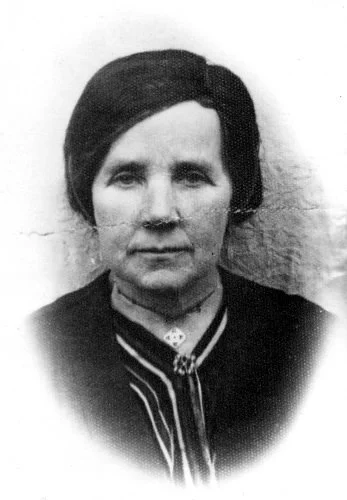
Pesach and Rivka Pelcman from Zaklikow.
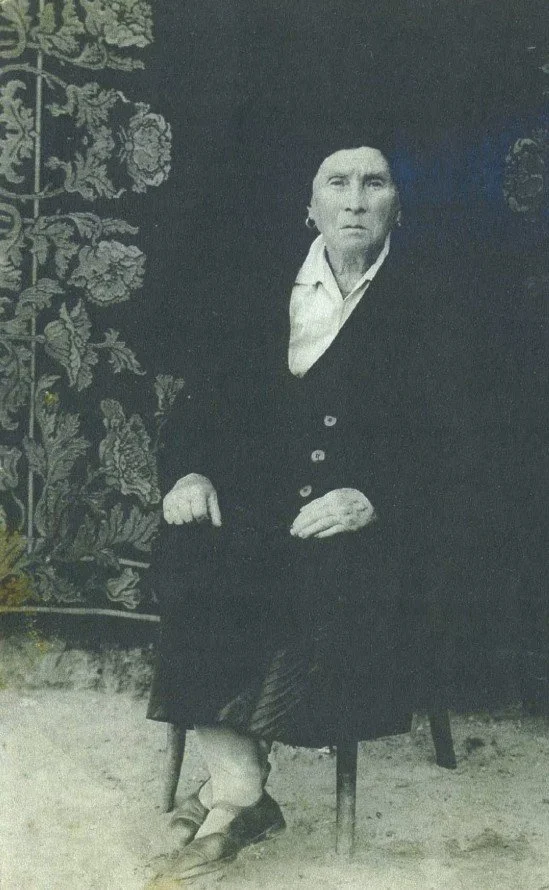
Chaya Weinreich.
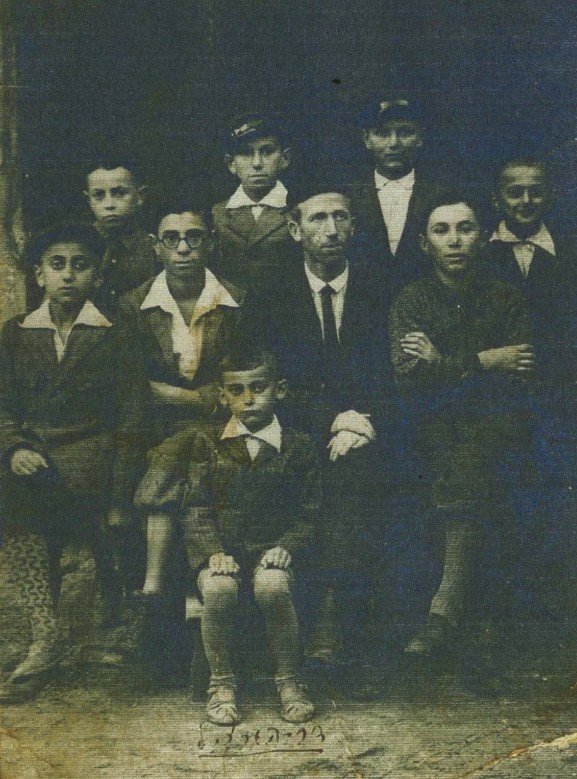
The Laks family from Zaklikow.
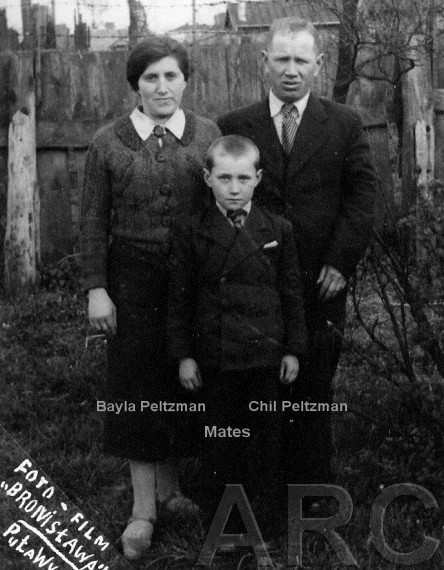
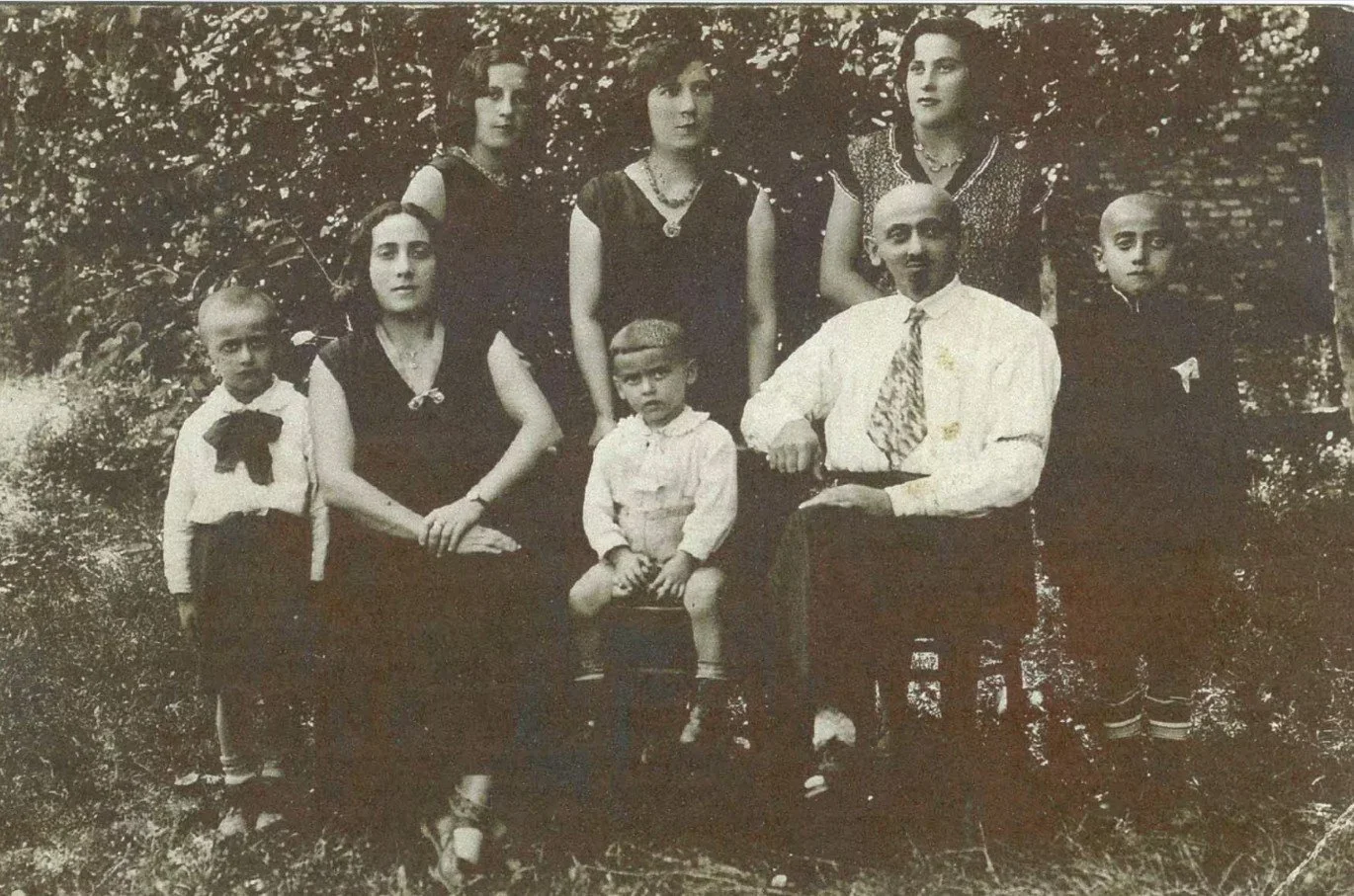
A family from Zaklikow. Some individuals are identified.
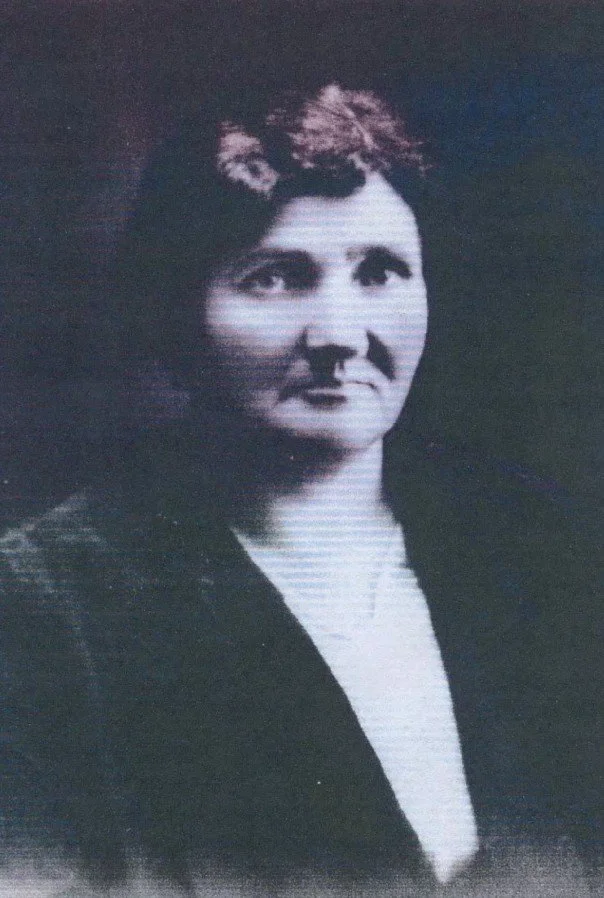
Szandla Feingold.
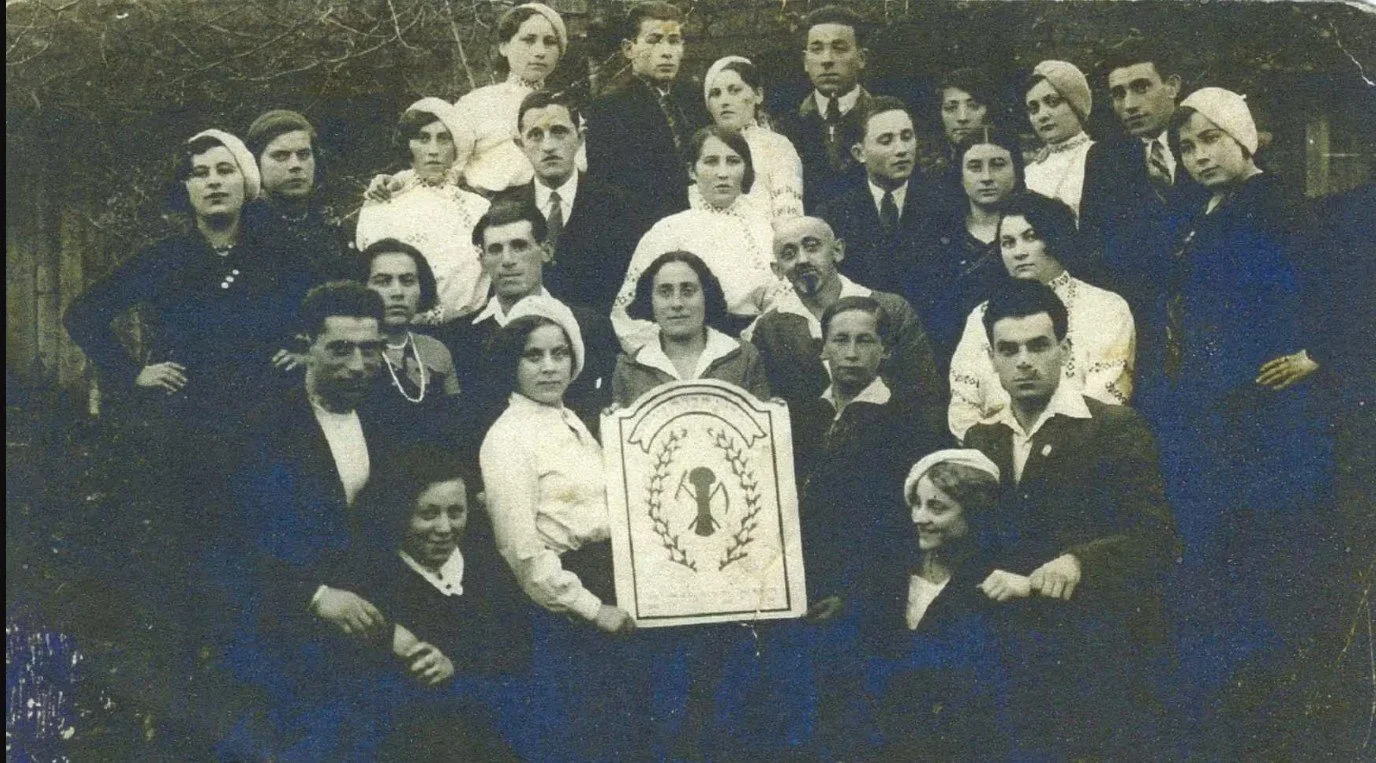
Hechalutz, 1934. Some individuals are idenified.
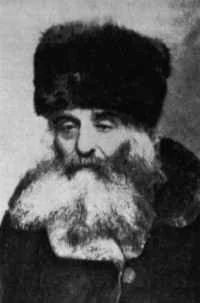
Right: R’ Yaakov Wiesenfeld, the Zaklikower rebbe.